I want to be upfront about what this guide is and isn't. It isn't a cheerleading piece designed to funnel you into applying without thinking it through. Amazon is a brilliant place to work for certain kinds of people — and genuinely the wrong place for others. What I've tried to put together here is the honest version: the culture as it actually operates day-to-day, what the 16 Leadership Principles really mean for your working life, which divisions have the strongest hiring momentum right now, what the comp packages look like when you read the fine print, and why the interview process catches so many smart, experienced people off guard.
If you're seriously considering Amazon — whether that's a first application or a move back after time away — read the whole thing before you send a single CV.
Browse Live Amazon US Openings Right Now
Our jobs board surfaces active Amazon opportunities across every division — from AWS and Advertising to Prime Video and Health. The best roles move fast, so don't wait around.
View Amazon Jobs →📋 What's in This Guide
- How a Garage Startup Became Global Infrastructure
- The Divisions at Amazon US — and Which to Target
- The Culture: Leadership Principles Aren't Optional
- What Amazon Actually Pays in 2026
- The Hiring Process: Bar Raisers, STAR, and Where People Slip Up
- Is Amazon Actually the Right Move for You?
- Before You Apply: A Few Final Thoughts
How a Garage Startup Became Global Infrastructure

From a single rented garage in Bellevue to one of the most recognisable corporate footprints on the planet — the Amazon campus in Seattle is a visible symbol of that growth.
Jeff Bezos started Amazon in 1994 out of a garage in Bellevue, Washington. He was selling books. His ambition, from day one, was everything else. That contrast between a deliberately modest starting point and an almost absurdly expansive stated vision wasn't a coincidence — it was the first real expression of how the company would operate for the next three decades: patient, methodical, and then moving at a scale that leaves even well-resourced competitors scrambling to catch up.
At this point, calling Amazon an online retailer is like calling the post office a letter-delivery service. Technically accurate, wildly incomplete. Amazon Web Services alone pulls in over $100 billion in annual revenue — and a substantial chunk of the internet runs on it. Amazon Advertising has become the third-largest digital ad platform in the US. Prime Video is genuinely competing with Netflix and Disney+. Amazon Pharmacy and One Medical are actively trying to reshape how Americans access healthcare. Project Kuiper is building a satellite internet constellation. Prime Air is testing drone deliveries in residential areas.
The practical upshot for job seekers: with over 1.5 million employees globally and continuous hiring across engineering, product, operations, marketing, legal, finance, and data, this is one of the few employers where the scale of what they're actually building can honestly match the ambition of the people wanting to join it.
Amazon's own overview of what the company actually builds and why — useful context before diving into the hiring side of things.
The Divisions at Amazon US — and Which to Target
One of the most common mistakes I see job seekers make with Amazon is treating it as a single employer. It isn't. It's closer to ten substantially different businesses operating under the same set of principles, and the division you land in will shape almost everything about your day-to-day experience — the pace, the culture on the ground, your compensation ceiling, the kinds of problems you're working on, and how quickly you can move up.
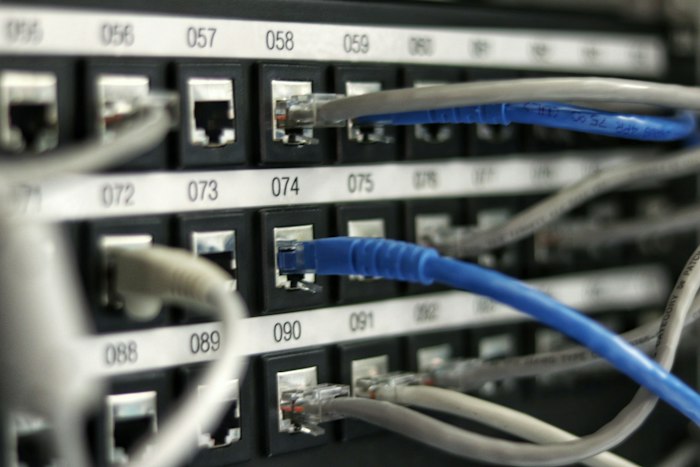
If you're trying to work out where your skills fit best right now: AWS and Amazon Advertising are the two divisions with the most active hiring pipelines and the most aggressive compensation packages. If your background touches cloud technology, data, or digital advertising in any way, those are your highest-leverage entry points into the organisation.
A clear breakdown of what AWS actually does and why it's become Amazon's most powerful revenue engine — and its most aggressive hiring division.
Want to see which Amazon division is hiring for your background right now?Our jobs board filters live roles by division, seniority, and location.
See Live Roles →The Culture: Leadership Principles Aren't Optional

Amazon's offices are built around deep work and direct accountability — the culture is visible in how the spaces are actually used day-to-day.
Here's the most important thing to understand before you set foot in an Amazon interview: the 16 Leadership Principles are not motivational slogans. They are not the kind of values statement that hangs in the lobby and gets ignored in practice. They are the actual operating system of the company — the framework used to run meetings, make decisions, evaluate performance, settle disagreements, and filter every single hiring decision. You cannot get an offer without demonstrating them convincingly. You cannot get promoted without consistently living them in your day-to-day work.
Amazon has recently gone further by formally embedding the LPs into its annual performance review system. Employee assessments now generate an Overall Value score that feeds directly into salary adjustments, career progression decisions, and performance-improvement plans. They aren't peripheral to your Amazon career — they effectively are your career, expressed in a framework.
A thorough walkthrough of how Amazon's Leadership Principles work in practice — worth watching before you write a single answer for your interview prep.
"Amazon has essentially operationalised leadership and baked it into their culture — the Leadership Principles are both the hiring filter and the daily operating manual." — Leading Sapiens, on Amazon's culture architecture
The honest cultural read: Amazon is high-accountability and high-autonomy by design, and those two things go together whether you like it or not. No one is going to manage your career for you. You own your outcomes. The upside is genuine ownership of consequential work at real scale. The downside is that if you need regular external validation or a manager who keeps you on track, the environment will feel relentless. The people who do genuinely well tend to be the ones who are energised by the ownership model, not just tolerant of it.
What Amazon Actually Pays in 2026

Amazon's compensation structure has one feature that catches most candidates by surprise, especially those coming from Google or Meta: the base salary cap. For the majority of roles, base pay is capped at approximately $175,000. Above that level, total compensation shifts heavily toward RSUs — called GSUs internally — which vest on a deliberately back-loaded schedule. Year 1: 5%. Year 2: 15%. Years 3 and 4: 40% each. Sign-on bonuses in the first two years bridge that slow early vesting gap, so the headline number in your offer letter and the actual cash in your account can look quite different until year three.
The median total compensation reported at Amazon in 2026 is $218,641, but that number spans a genuinely wide range depending on function, level, and division.
| Role | Typical Total Compensation (US, 2026) |
|---|---|
| Software Engineer SDE I (Entry Level) | $130,000 – $175,000 |
| Software Engineer SDE II | $175,000 – $280,000 |
| Senior SDE / SDE III | $240,000 – $400,000 |
| Product Manager L5 | $190,000 – $280,000 |
| Senior Product Manager L6 | $270,000 – $350,000+ |
| Solutions Architect (AWS) | $175,000 – $280,000 |
| Business Analyst | $100,000 – $180,000 |
| Operations Manager | $75,000 – $130,000 |
Outside of cash and stock, the benefits package is solid: comprehensive medical, dental, and vision, a 401(k) with company match, paid parental leave, and mental health support. The one that gets genuinely underappreciated is Career Choice — a programme that prepays up to 95% of tuition for in-demand fields, even ones with no obvious application to Amazon's own business. That last detail tells you something about how the company thinks about talent over the long run.
A clear breakdown of how Amazon structures pay — base salary cap, GSU vesting schedules, sign-on bonuses, and how to read a total comp offer correctly.
The Hiring Process: Bar Raisers, STAR, and Where People Slip Up

Amazon's hiring loop is unlike any other large employer's — candidates who prepare specifically for it consistently outperform those who don't.
Amazon's hiring process is unlike any large employer I've seen candidates go through, and the candidates who treat it like a standard job interview almost universally fail it. The process typically runs four to six weeks and is structured almost entirely around behavioural questions mapped directly to the 16 Leadership Principles. Technical roles layer in coding assessments and system design rounds — but even those get evaluated through the LP lens. Here's how it breaks down.
Stage 1 — Online Assessment. A structured test covering cognitive reasoning and work style, with coding challenges for technical roles. This is the first hard filter and a meaningful percentage of applicants don't clear it.
Stage 2 — Recruiter Screen. Roughly 30 minutes. The recruiter is checking for role fit and calibrating expectations. Amazon recruiters appreciate directness and specificity — not polish. Keep answers grounded and concrete.
Stage 3 — Phone or Video Interviews. One or two rounds with hiring team members. Every question is behavioural. The STAR format — Situation, Task, Action, Result — is the expected structure. Your results need to be specific and quantified. Vague outcomes get flagged, and "we achieved" rather than "I did" raises immediate concerns.
Stage 4 — The Loop. Four to six back-to-back interviews, each covering different Leadership Principles. At least one interviewer will be a Bar Raiser — an independently certified Amazon interviewer whose sole mandate is to protect the overall quality of hires. The Bar Raiser has full veto power over the final decision regardless of what the rest of the panel recommends. Their one question is essentially: does this person raise the bar at Amazon, or are they just good enough?
Former Amazon recruiters break down the Bar Raiser process — what it actually is, how to recognise it in the room, and what those interviewers are really listening for.
The single most common failure mode: using "we" instead of "I." Amazon interviewers are specifically listening for individual contribution. If you built something as part of a team, you need to articulate your specific decisions, your specific actions, and your specific measurable impact. Before you interview, prepare 8 to 10 stories from your career that map clearly to Leadership Principles, and know which principle each one covers.
A practical walkthrough of the STAR method applied specifically to Amazon LP-based questions — concrete examples and common mistakes covered.
Ready to find and apply to live Amazon openings?Our jobs board keeps current — you'll never miss an application window.
Browse Open Roles →Is Amazon Actually the Right Move for You?

This is the question most employer guides skip, and I think it's the most important one. Amazon is not the right environment for everyone, and knowing that before you spend three months preparing an application — rather than discovering it six months into your first role — saves real time and energy on both ends.
- Are deeply self-motivated and don't need external praise to stay engaged
- Want to own a problem end-to-end with genuine accountability attached
- Think naturally in data and can defend your analysis when pushed
- Thrive when things are ambiguous and adapt quickly when they change
- Are confident enough in your own performance to want to be measured against it
- Are energised by building at a scale that actually affects people's lives
- Treat work-life balance as a genuine non-negotiable
- Need frequent manager-led guidance and regular acknowledgment to stay motivated
- Prefer collaborative consensus-building over individual ownership
- Find performance-driven, metrics-heavy cultures politically uncomfortable
- Are early in your career and need a structured mentorship environment
- Prioritise psychological safety over challenge and stretch
One piece of context that often gets left out: an Amazon tenure is extraordinarily transferable, even when it ends earlier than planned. Employees who leave after two or three years consistently report that the LP framework, the operational rigour, and the exposure to complex problems at massive scale made them measurably more competitive in their next role. Many high-performers deliberately structure an Amazon stint as a two-year accelerator — go in, hit your targets, exit with a credential that opens doors at virtually any employer in the world. That's a legitimate strategy, and it's worth factoring into your thinking.
A day-in-the-life from an Amazon software engineer — gives you an honest feel for how work actually flows before you commit to applying.
Before You Apply: A Few Final Thoughts
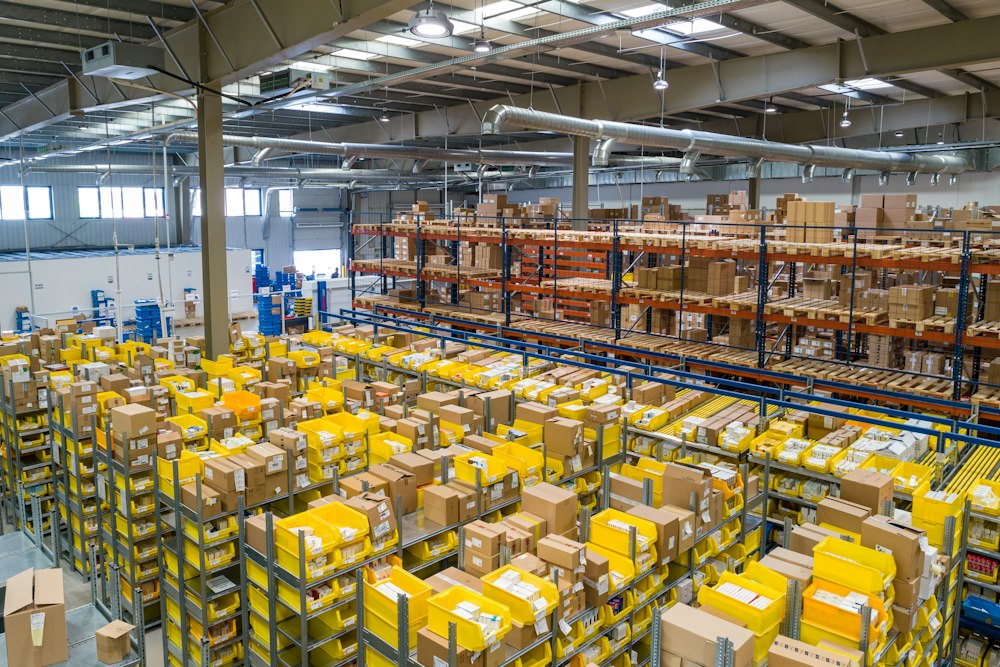
The operational scale of what Amazon has built — and what you'd be contributing to as part of the team.
Amazon will test you in ways that most workplaces genuinely won't. I don't mean that as a deterrent — for the right kind of professional, that challenge is precisely the point. The companies that define careers are rarely the comfortable ones. They're the ones with high standards, genuinely difficult problems, and colleagues who push you to be better simply by being in the same room.
If you're serious about what you want to build — professionally, financially, and in terms of actual capability — Amazon is worth every hour of preparation it demands. Learn the Leadership Principles until they feel like your own instincts, not a vocabulary list. Build your STAR stories well in advance and know exactly which LP each one covers. Target the right division for your background. And when you get to the offer stage, read the RSU vesting schedule before you sign — not after.
The opportunity is real, the bar is deliberately high, and the candidates who do the work in advance are the ones who clear it.
Ready to Find Your Amazon Role?
Our jobs board has live Amazon US openings across every division. High-demand roles fill fast — the right opportunity could be live right now.
Explore Amazon Opportunities →